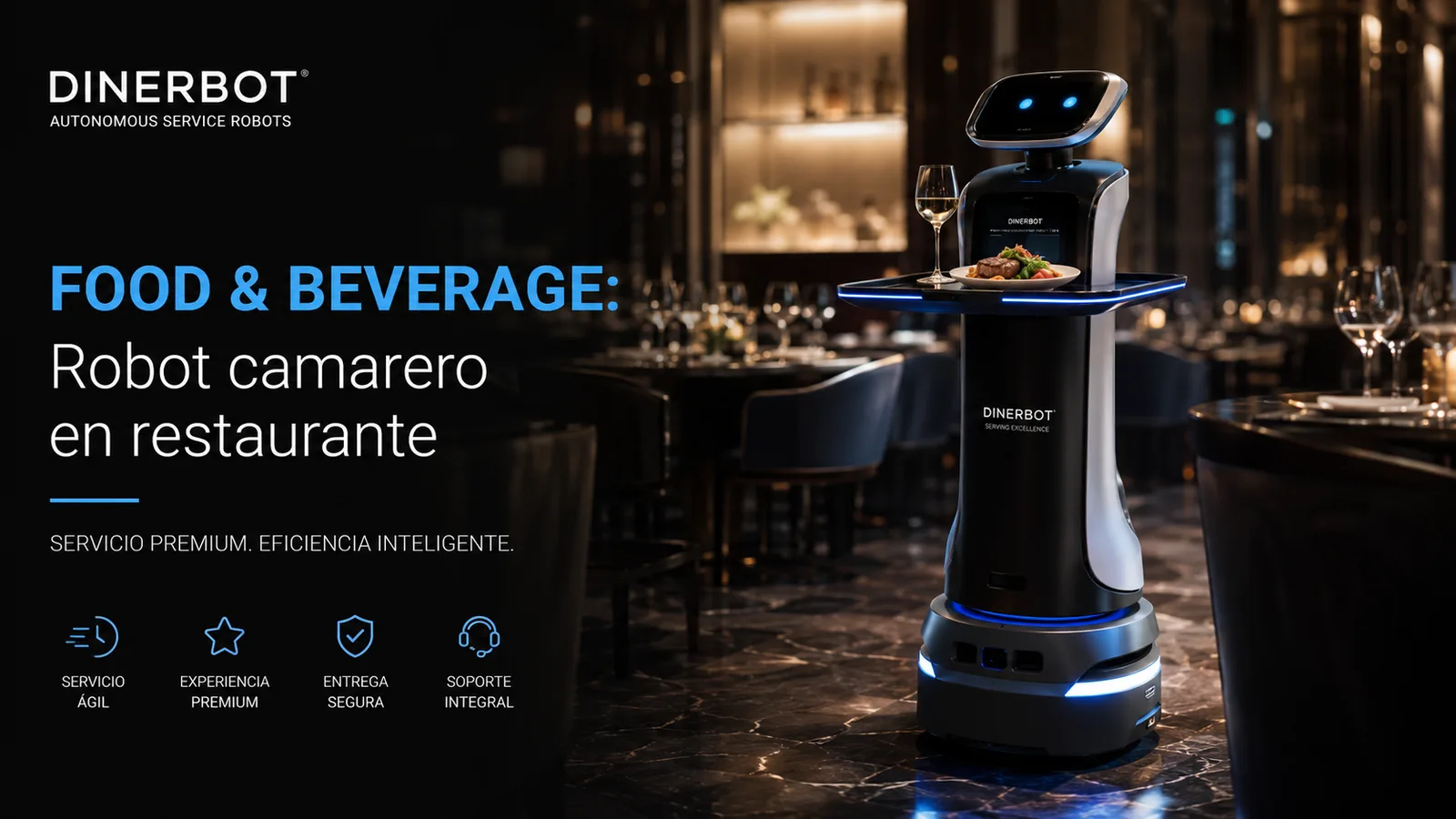
The robot must fit the floor
A service robot isn't chosen for its design but for the operational flow. Before buying, it's worth analysing the distance between kitchen and tables, aisle width, the number of daily covers, waiting times and the volume of plates carried. Without that analysis, the robot can end up being decorative rather than productive.
Trays, capacity and type of service
DINERBOT models cover different needs: small restaurants, hotel buffets, event halls and high-volume service. The HOT heating function can be important if the goal is to keep food warm over long routes or in dining rooms a long way from the kitchen.
Customer experience
In hospitality, the robot should add to the experience, not replace human service. The best deployment combines a robot for repetitive journeys and waiters for welcoming, recommending, selling and resolving issues. This improves efficiency without dehumanising the service.
Questions before deploying
Before choosing a model it's worth answering: how many metres does a waiter cover per service? where do the bottlenecks occur? are the aisles wide enough? what average load is carried? are you after a premium effect or measurable operational savings?
Decision checklist before choosing a DINERBOT
Floor: type (marble, tile, vinyl, short-pile carpet), joints, ramps and thresholds; not every model scrubs or accepts carpet. Usable square metres: measure the area actually cleaned per shift, not the building's, and compare it with each model's recommended area. Aisle width: corridors, doors and lifts versus the robot's minimum passage. Load and capacity: tank litres or kilos per tray depending on the use. Shifts: hours available without guests, acceptable noise and who supervises. Lifts and doors: integration is a separate project validated during the assessment. Accessories: workstation, spare batteries, carts or specific trays. Maintenance: service level, spare parts and consumables available locally. Pilot criteria: 2 to 4 weeks, with hours freed up, incidents and team perception measured before and after.
Conclusion
Choosing well means measuring. Alpha Robotics recommends starting with a floor assessment and a pilot in real operating hours to confirm routes, team acceptance and operational return.
Want to apply this in your facility?
Request a free assessment and we'll review the surface area, shifts, priority areas and recommended first robot with you.
Request a free assessment