How to introduce a room service robot in a hotel
Automating a delivery means defining the whole journey: preparing the order, loading, travelling to the right floor, notifying the guest and returning. Choose the robot around that workflow and the privacy each delivery requires.
Guest-room delivery or transport between departments
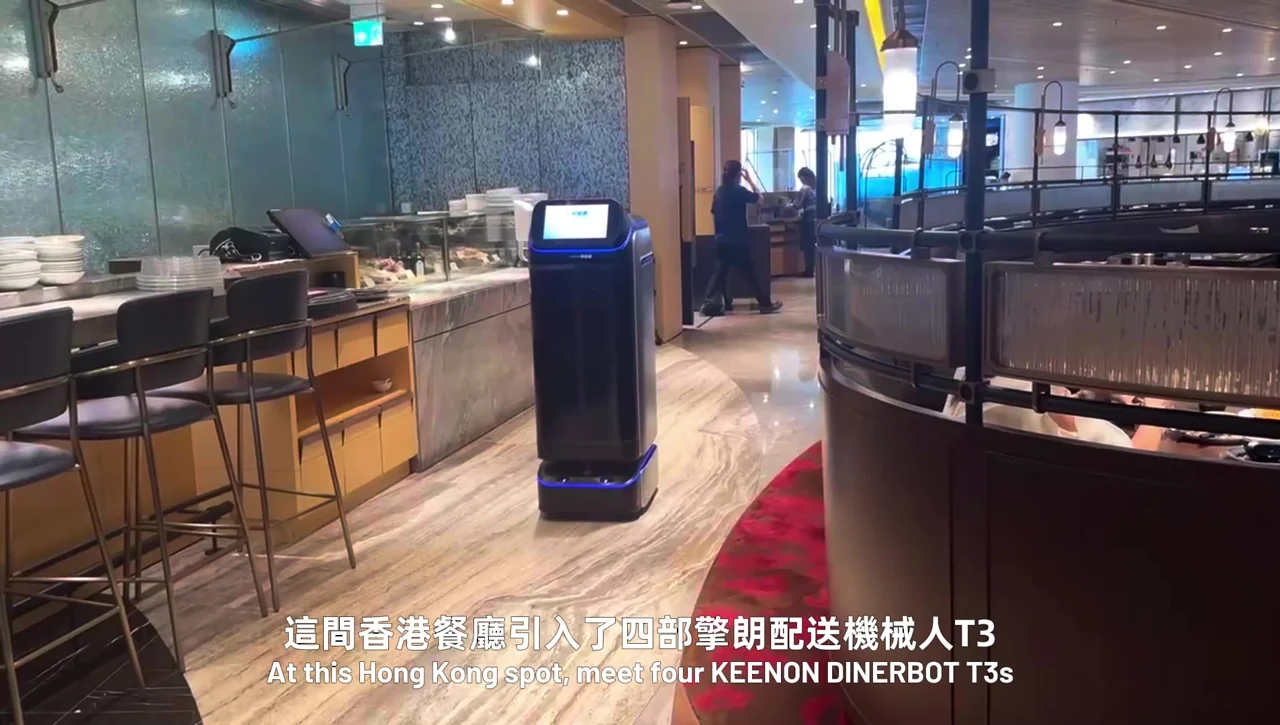
The BUTLERBOT W3 supports guest-room delivery using enclosed compartments. The DINERBOT T3 is another option for protected deliveries, depending on its configuration. For linen, replenishment or bulky loads between departments, assess the KEENON S100 and internal logistics. Moving an open load and privately delivering a guest's order involve different requirements.
Lifts and automatic doors
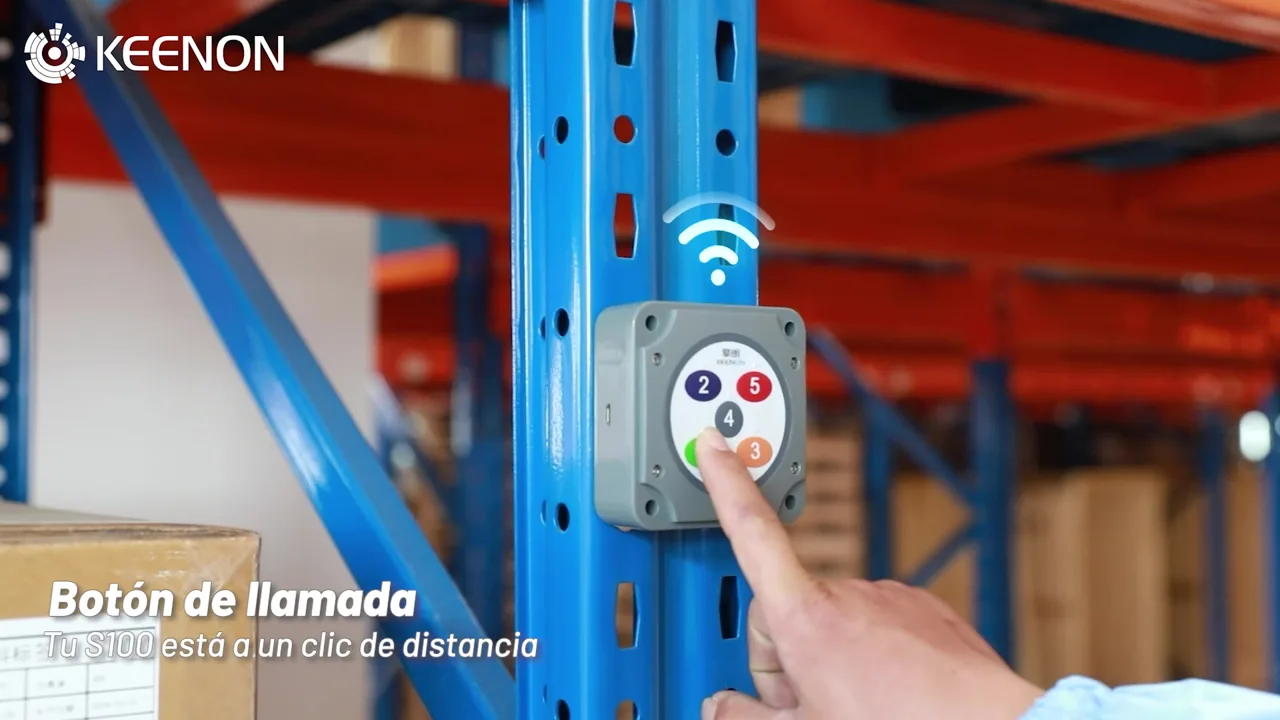
Cross-floor operation requires a technical review of the lift, call points, doors and permitted routes. E-Box integration must be validated for the specific installation; compatibility is not assumed. Where automatic doors are involved, their controls and the appropriate integration solution must be assessed before deployment is planned.
What the hotel needs for a trial
- Floors and rooms to serve, with travel distances from reception or the service office.
- Order types, sizes and weights, together with peak demand periods.
- A process for loading the robot, notifying the guest and confirming collection.
- A member of staff responsible for incidents and an alternative delivery method when a route is unavailable.
How to evaluate operational improvement
Record completed deliveries, journey times, staff interventions and collection incidents. Compare these with the previous process to assess capacity freed up and the cost of the service. A demonstration shows how the robot works; a pilot during your operating hours tests whether it fits the hotel.
Read about W3 applications and scenarios in hotels or request a delivery and route assessment to prepare a trial at your property.