Internal logistics

Internal logistics robots for hotels, hospitals, warehouses and back-of-house.

A page built to review internal transport solutions with real photos and videos per model. Compare the S100 and S300 and weigh up the load capacity, runtime and integration your operation needs.

Logistics robots

S100 and S300 compared for automated internal logistics.

KEENON S100

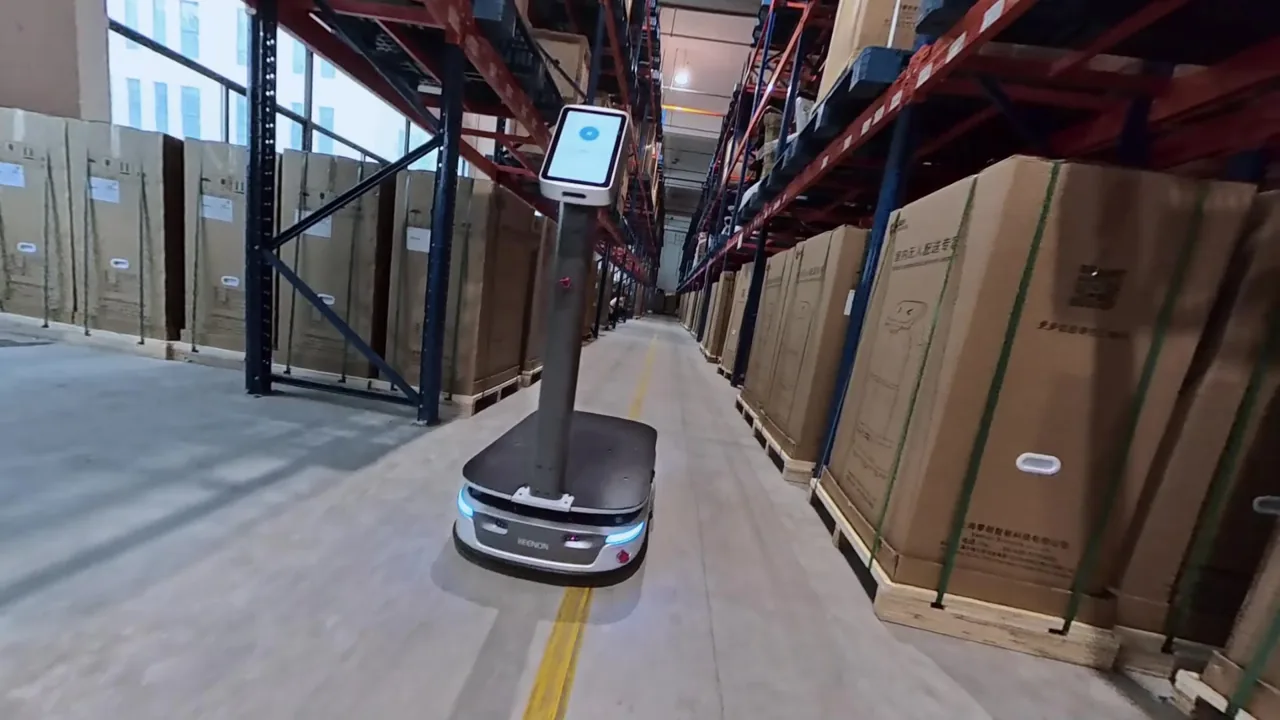
KEENON S100: logistics robot for hotels, laundry and storeroom.

A good fit for laundry, stores, replenishment, supermarkets, hospitals and internal flows where volume is moderate but constant and the robot must move with agility.

  • 100 kg+Published payload
  • SLAMMultimodal navigation
  • ElevatorIntegrable
  • Back-of-houseIdeal use

KEENON S300

KEENON S300: heavy-load robot for hospitals and large complexes.

A solution for moving heavier material in hospitals, factories, warehouses and buildings with predictable long-haul routes, especially when the repetition of the flow justifies automation.

  • 300 kgMax load
  • Heavy dutyRugged chassis
  • 6 hMax runtime
  • Large scaleIdeal use

GBox · E-Box · accessories

Integrations that turn the robot into a real operational flow.

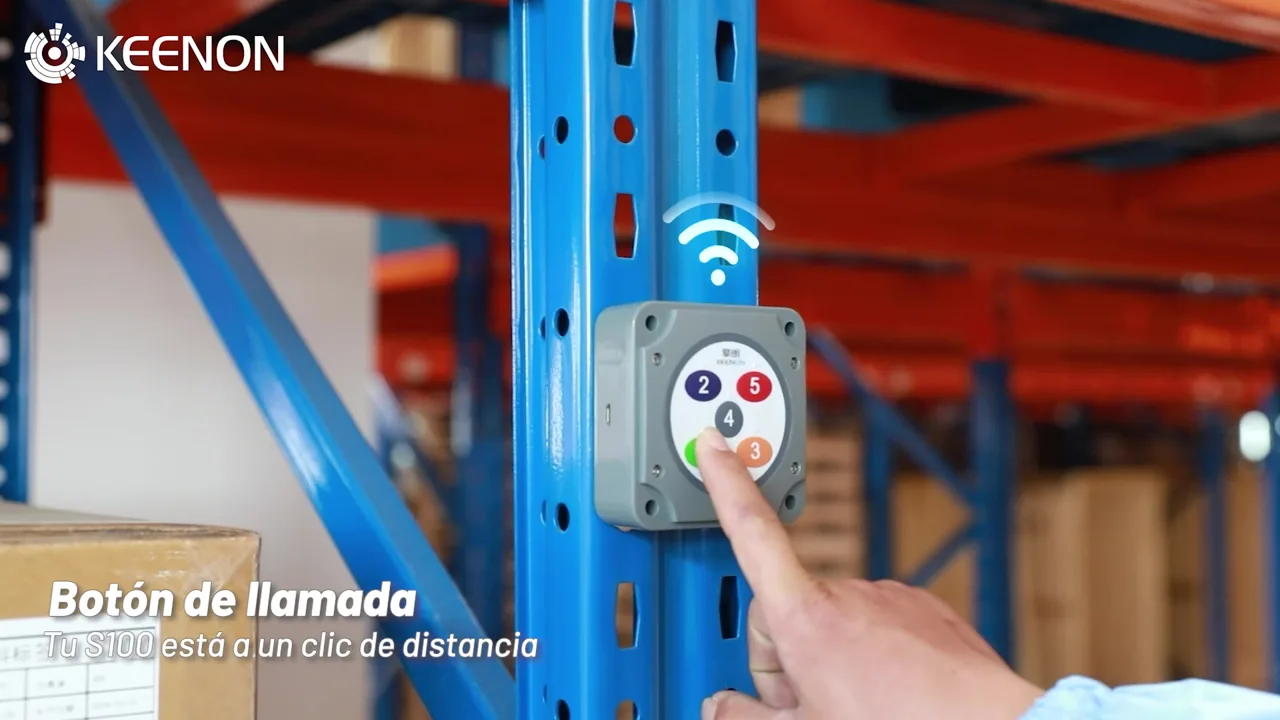
Doors, elevators, call buttons, charging stations, hygienic covers and consumable kits complete the rollout when the project needs them. It is not a standalone robot, but it is the layer that makes end-to-end automation viable.

  • GBoxDoors & automation
  • E-BoxElevators
  • Call buttonRemote calls
  • ConsumablesOperational maintenance

How to choose a robot for industrial internal transport

Start with the route your team repeats: origin and destination, trips per shift, load per trip and waiting time. An internal logistics robot must fit that workflow, whether in a warehouse, a hotel laundry or a hospital supply area.

Payload, passage width and delivery points

Compare the KEENON S100 and KEENON S300 against the actual weight, volume and stability of the material and the loading and unloading process. Check turns, crossings, slopes and passage widths with the proposed configuration. The S100's published payload is 100 kg+; the permitted load is confirmed for each configuration.

Integration and a route trial

If the route includes doors or lifts, we check compatibility before confirming an automated route. The pilot records completed trips, manual interventions, waiting times and availability. Hours freed up are valued using actual operating costs to estimate the return, without assuming that every automated hour becomes a cash saving.

Explore LiDAR navigation and safety, review acquisition models or request an internal transport assessment.
FAQ

Frequently asked questions about internal logistics.

What is the difference between the S100 and S300?

The S100 is geared towards medium loads and agile routes; the S300 is built for heavy loads and intensive logistics operations.

Can it work in hospitals or laundries?

Yes, as long as the assessment validates routes, loading points, aisle width, elevators, door interaction and internal protocols.

Next step

We help you automate internal logistics with operational judgement.

We review weights, distances, routes, elevators and integrations to decide whether you need the S100, S300 or a phased rollout.