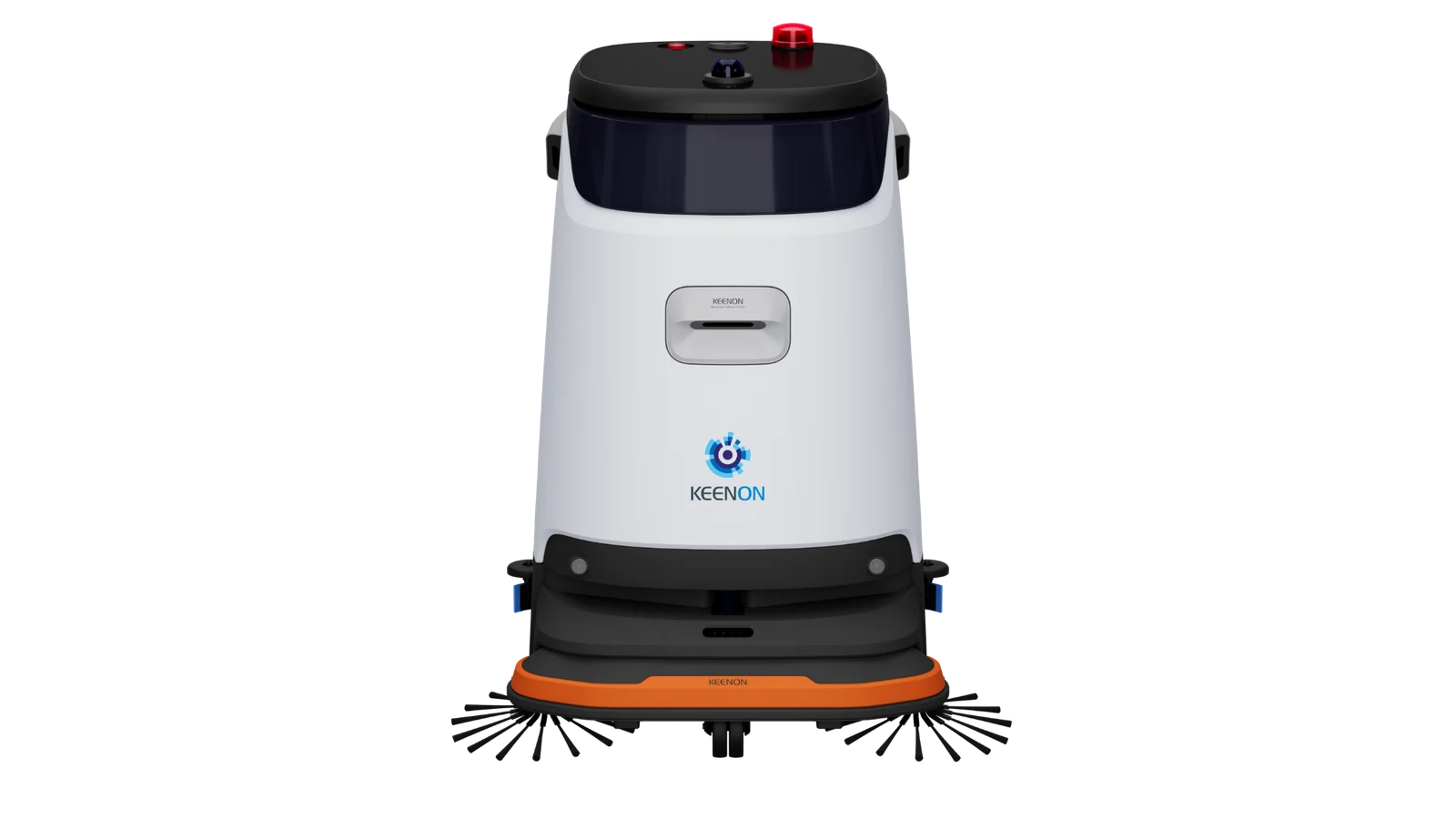
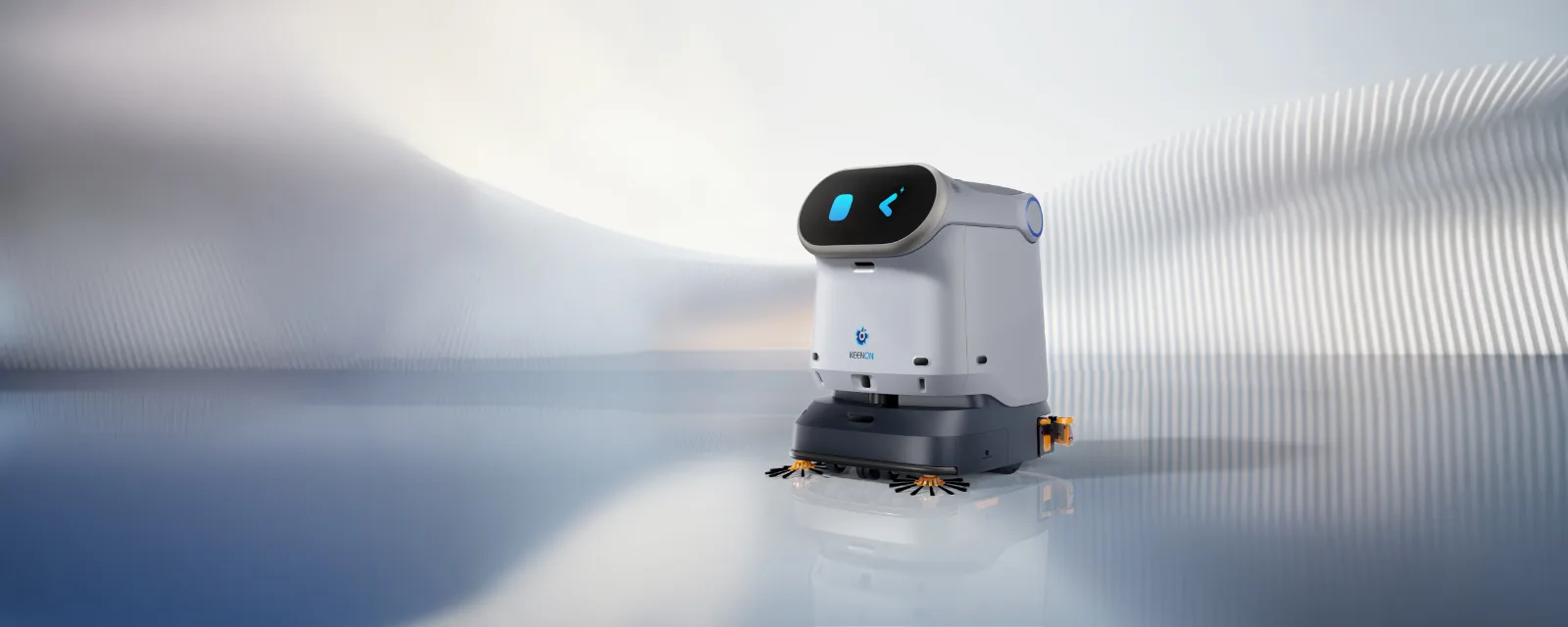
C30, C40 and C55: autonomous cleaning for small, medium and large surfaces.

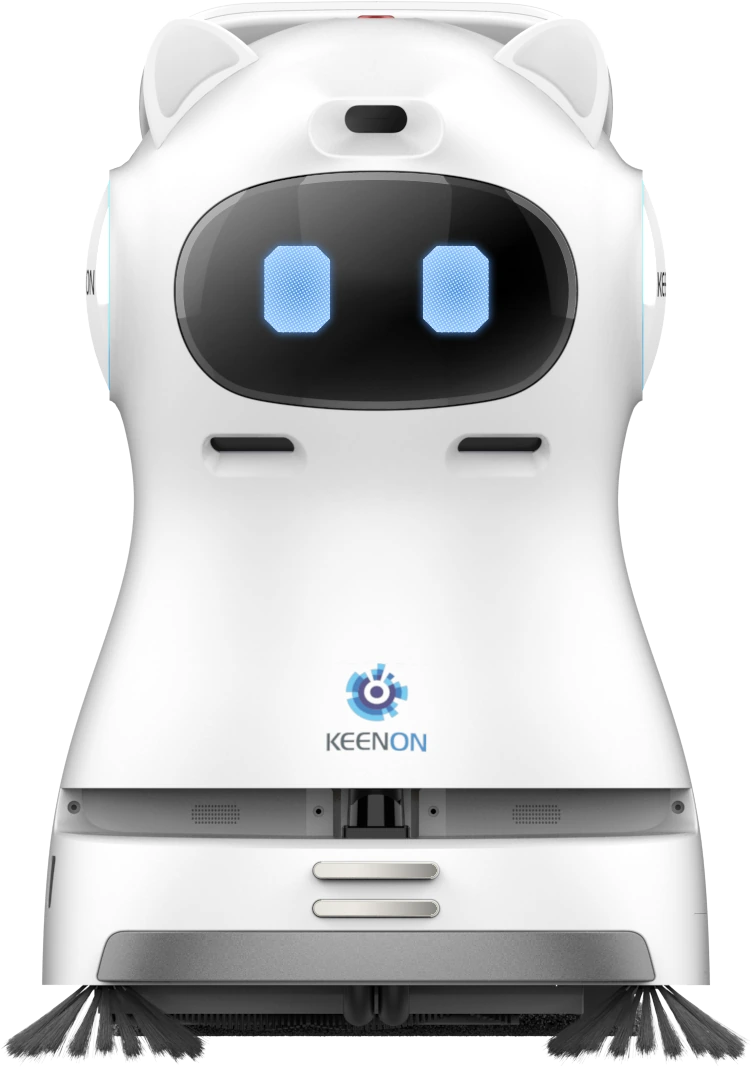
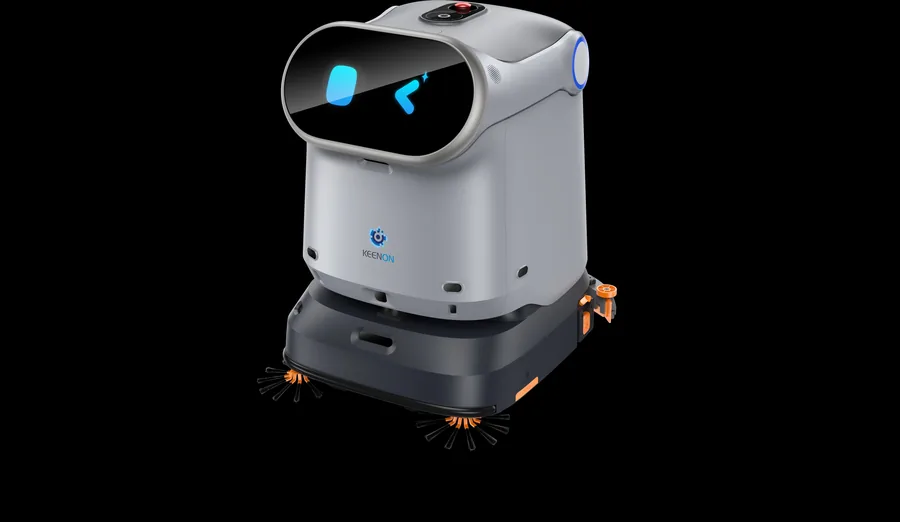
The KLEENBOT family groups the autonomous cleaning robots for hard floors. The three models cover everything from small restaurants to airports and shopping centres. The main difference between models is the area they cover per hour and the tank size. The C40 is the most deployed model in medium-sized hotels in Spain.

ModelIdeal surfaceFunctionWater tankIdeal for
C30up to 500 m²autonomous scrubbingsmallrestaurants, small hotels, offices
C40up to 1,500 m²scrubbing + sweeping45 Lmedium hotels, hospitals, care homes
C55over 2,000 m²high-power scrubbinglargeshopping centres, airports, logistics

Compare C30 / C40 / C55 in detail →

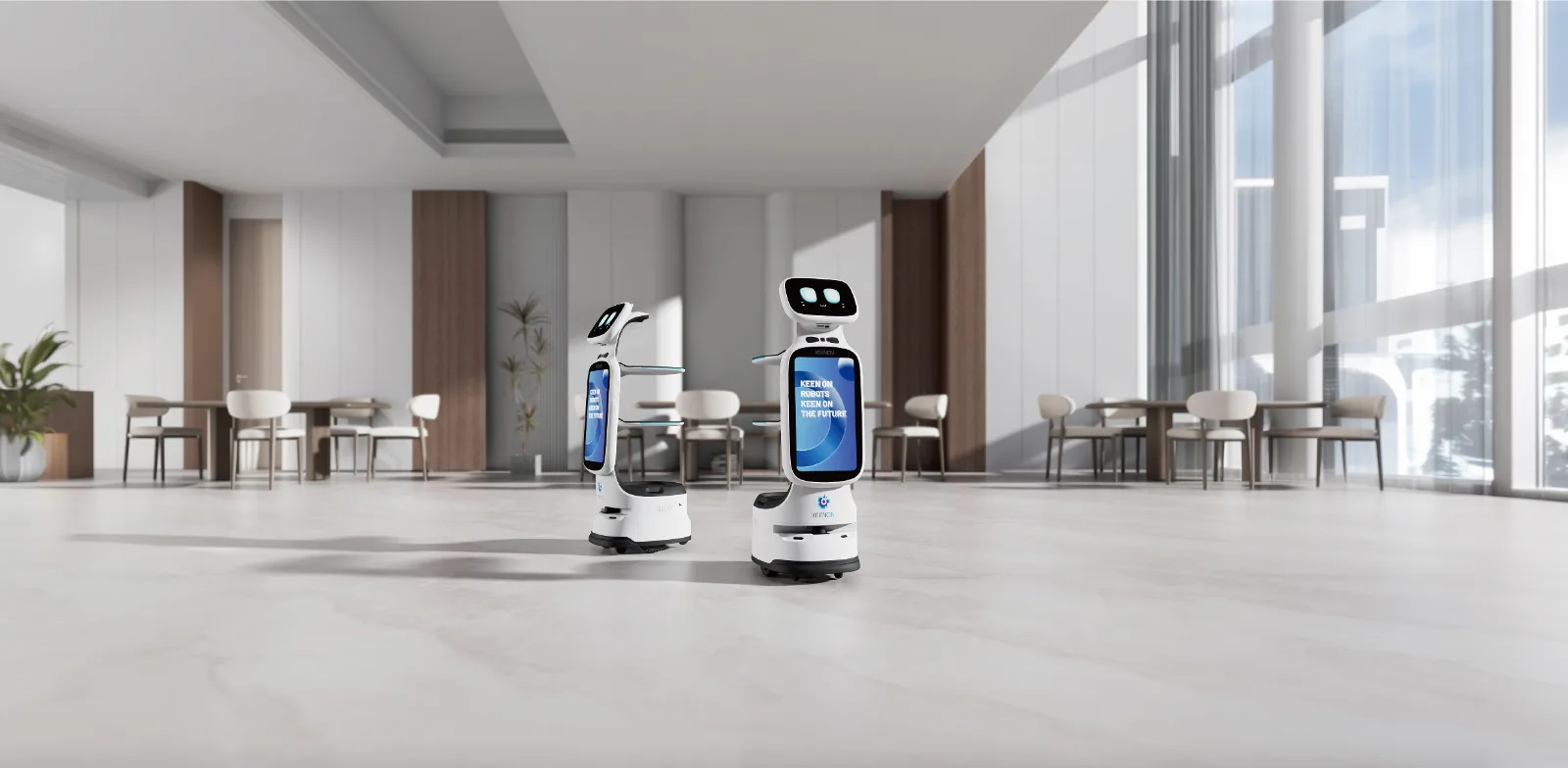
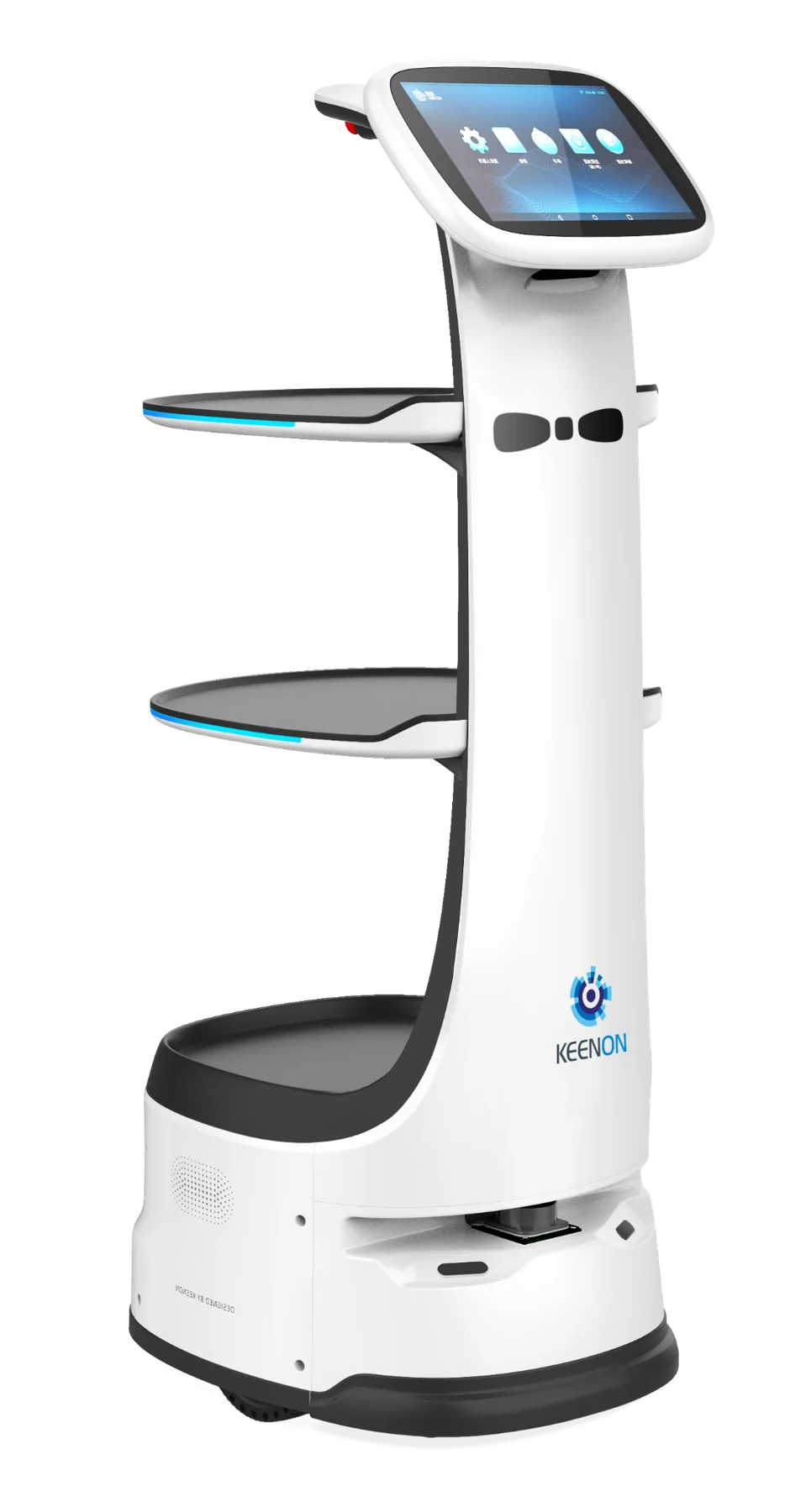
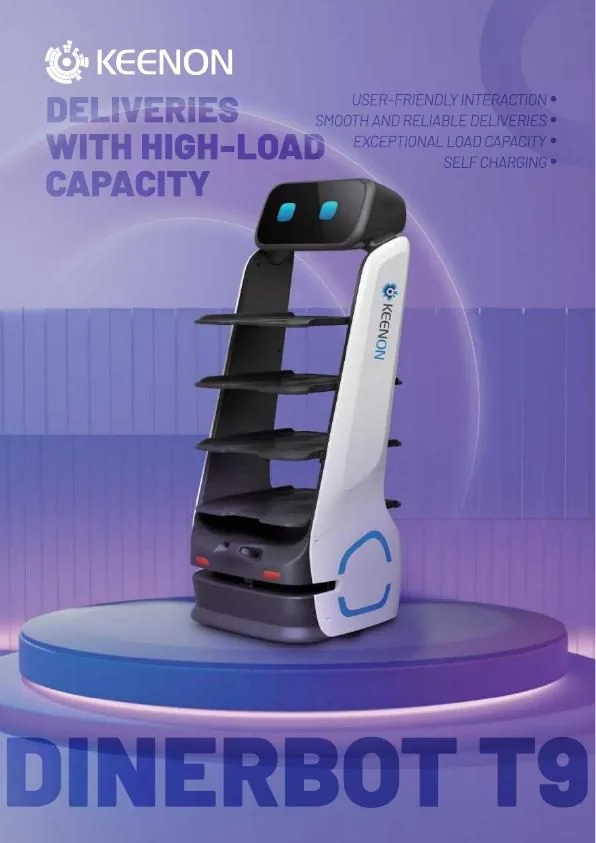
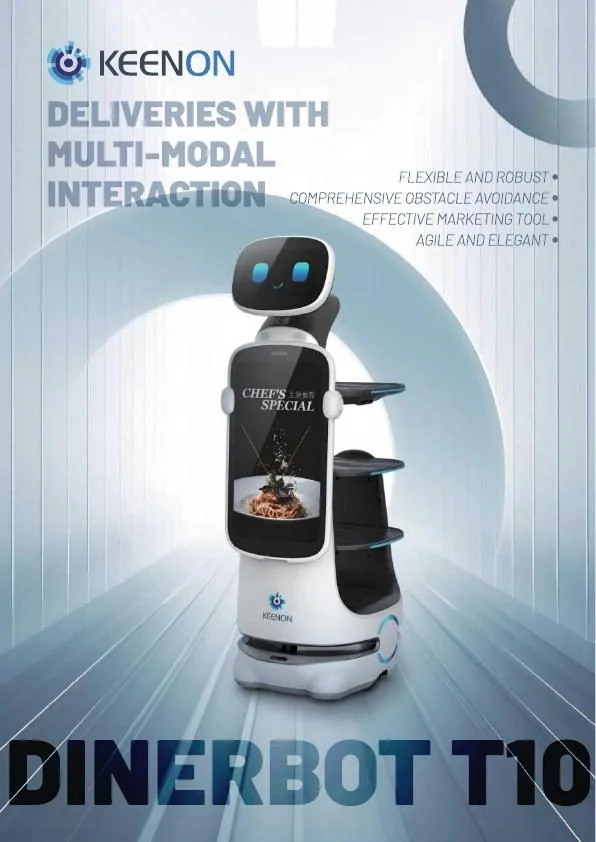
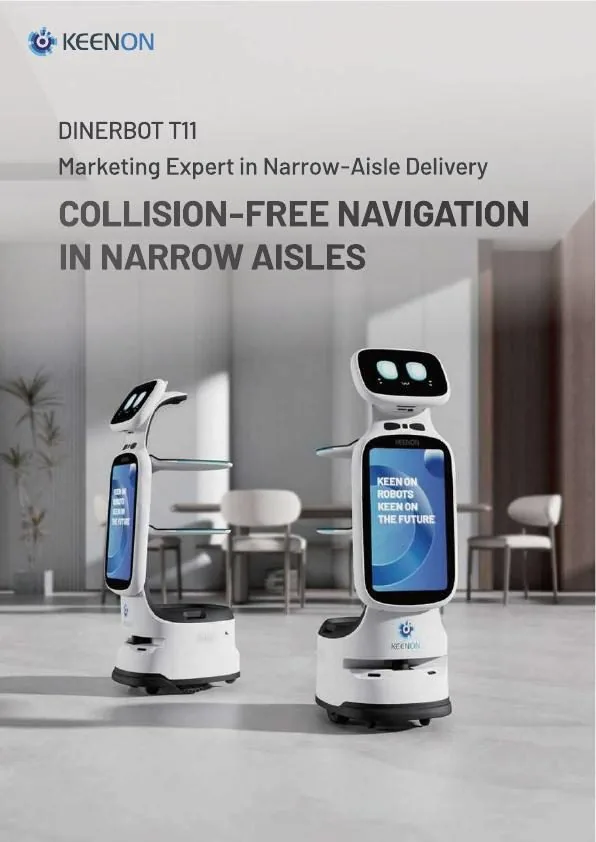
T8, T9, T10, T11 and T3: floor service, buffet and protected deliveries.

The DINERBOT family covers the floor service robots for food service, buffets and protected deliveries in F&B. All models navigate autonomously between tables, return empty plates to the kitchen and can be customised with the establishment's name and branding. The difference between models lies in the number of trays, the HOT heating function and the design for different types of service.

ModelTraysSpecial functionIdeal for
T33compact and agilesmall restaurants, cafés, dark kitchens
T84HOT heatingrestaurants with hot service, hotels with breakfast buffet
T94versatilemid-size food service, buffets, floor room service
T104HOT + iF Design Award 2026premium hotels, experience restaurants
T114premium design, 2026 launchhigh volume, newly opened establishments

See the DINERBOT T9 / T10 / T11 comparison →
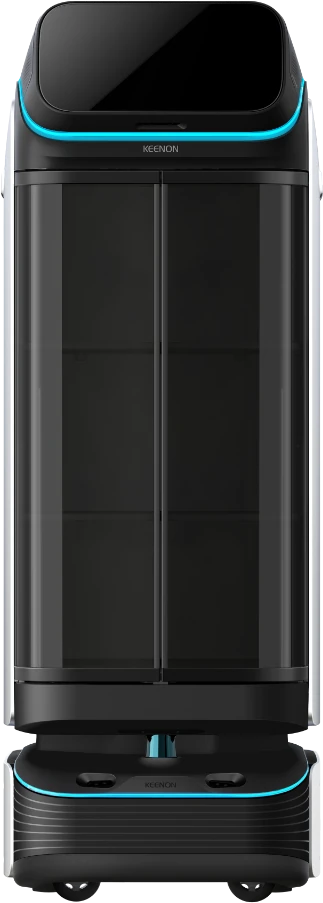
W3 + S100: private deliveries, amenities and multi-floor service.

Room service operations in hotels can combine two complementary flows: the W3 for private, enclosed deliveries to the room, and the S100 adapted as a bellhop service for light luggage, bulky amenities and visible support between floors.

KEENON BUTLERBOT W3 room service robot in a hotel corridor for private deliveries

W3 · Private deliveries

BUTLERBOT W3 for room service, amenities and enclosed orders.

The W3 works in corridors and rooms with enclosed compartments, lift integration and discreet door delivery. It's the main option for private orders, night room service and amenities that require traceability.

  • Enclosed compartments for guest deliveries.
  • Multi-floor integration with lifts.
  • Silent, autonomous operation 24/7.
See the W3 spec sheet →
KEENON S100 robot adapted for bellhop service, luggage and amenities in a hotel

S100 · Bellhop service

S100 adapted for light luggage, bulky amenities and operational support.

When the flow doesn't require enclosed compartments, the S100 can be configured as bellhop support to escort loads, move amenities and cut repetitive trips for reception, housekeeping and back-of-house.

  • Support in the lobby, reception and floors.
  • Moving light luggage and restocking.
  • Operational complement to the W3 in multi-floor hotels.
See the S100 spec sheet →

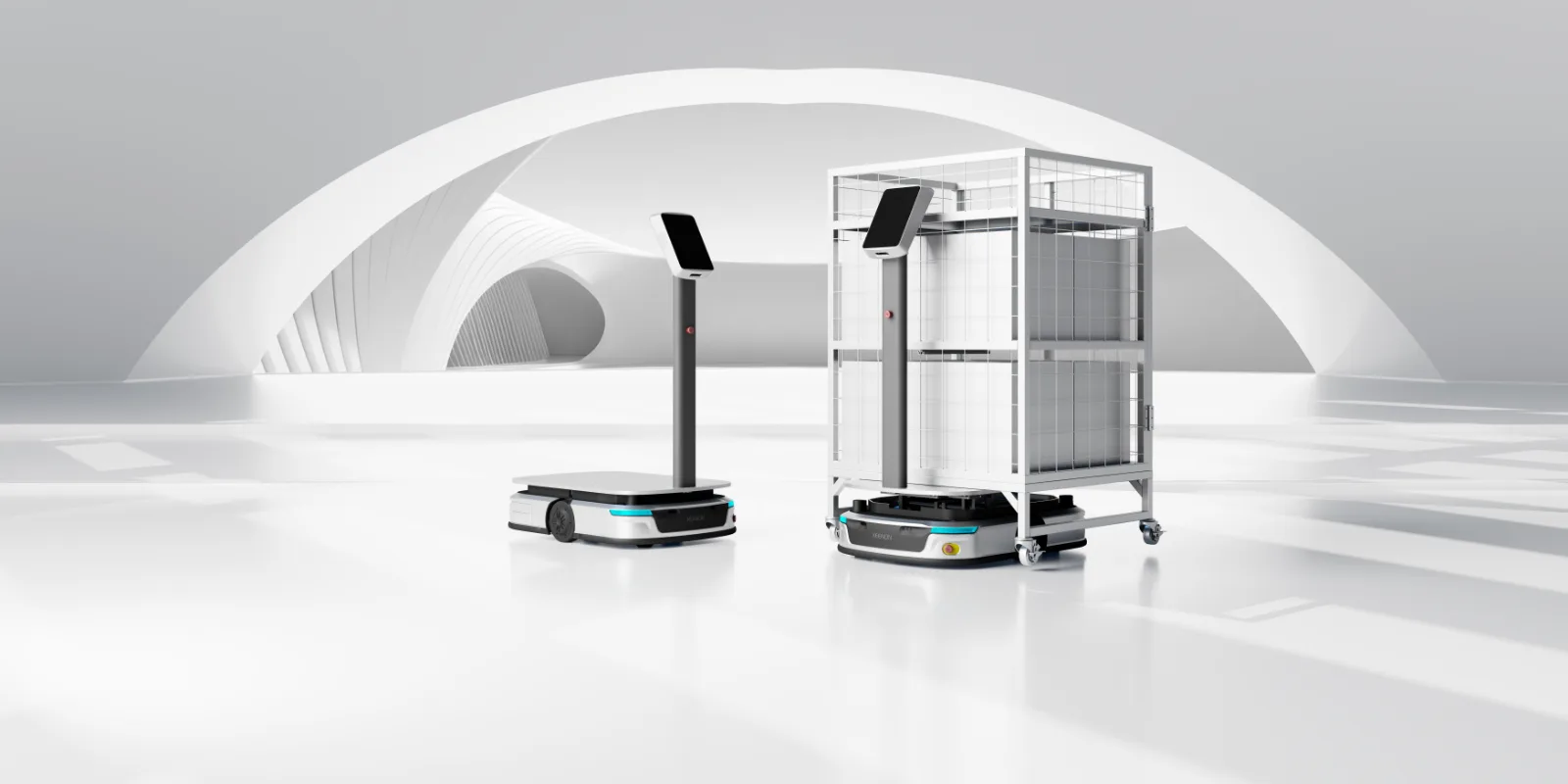
S100 and S300: internal transport of material, linen, boxes and restocking.

The Heavy Load S100 and S300 robots handle internal transport of heavy loads in hotels, hospitals and logistics warehouses. Moving laundry linen, maintenance material, warehouse boxes and minibar restocking consumes hours of qualified staff who could be doing higher-value tasks. The Heavy Load robots automate those repetitive trips with full autonomy.

ModelMaximum loadIdeal for
S100up to 150 kghotels, hospitals, offices with standard aisles
S300up to 300 kglogistics warehouses, large hospitals, distribution centres

Frequently asked questions for choosing the right KEENON robot.

We answer the usual questions for choosing a family and model. If you need a quick recommendation, message us on WhatsApp.

Which robot is best to start with in a 100-room hotel?

It depends on the problem you want to solve first. If the biggest bottleneck is cleaning common areas, the C40 is the most common starting point. If it's night room service, the W3. If it's the floor team's workload at breakfast or dinner, a DINERBOT T9 or T10. In the free assessment we help you identify which gives the highest return in your specific operation.

Can I have robots from different families working at the same time in the same hotel?

Yes, and it's standard in medium and large hotels. A 150-room hotel can have a C40 for night cleaning, a W3 for room service and two DINERBOT T10s in the restaurant. The robots don't interfere with each other because each family operates in different areas of the hotel.

Is there any KEENON robot that can do both room service and cleaning?

No. Each family is designed and optimised for a specific operational function. Trying to make one robot do multiple functions would reduce its efficiency in each. The KEENON catalogue's architecture of specialised families is precisely what guarantees the return on investment per operational area.

What is the difference between the C40 and the C55? When is the C55 worth it?

The C55 has more scrubbing power, a larger tank and is designed for surfaces over 2,000 m² per shift. If your facility is a medium hotel or care home, the C40 is usually enough. For shopping centres, airports, logistics or very large surfaces, the C55 can cut cycles and improve the cost per square metre.

What information does Alpha Robotics need to recommend a robot?

We need to know the surface area, the number of rooms or tables, current shifts, aisle width, floor type, whether there are lifts, the workflow and the financial goal. With that data we prepare an initial assessment and a phased deployment recommendation.

Which robot fits your operation first?

Alpha Robotics' free assessment identifies the flow with the highest return and turns the KEENON catalogue into an operational decision: which robot, for which area, with what goal and over what payback period.