C30
Compact for daily maintenance.
600 m²/hSweep · vacuum · mopKLEENBOT range
Compare the cleaning family on a single page and open each model's media viewer to review images and technical details.
Quick comparison
Compact for daily maintenance.
600 m²/hSweep · vacuum · mopMain model for ROI and professional scrubbing.
1,100 m²/hSweep · vacuum · scrub · mopHigh capacity for large surfaces.
2,376 m²/hSweep · scrub · dust mop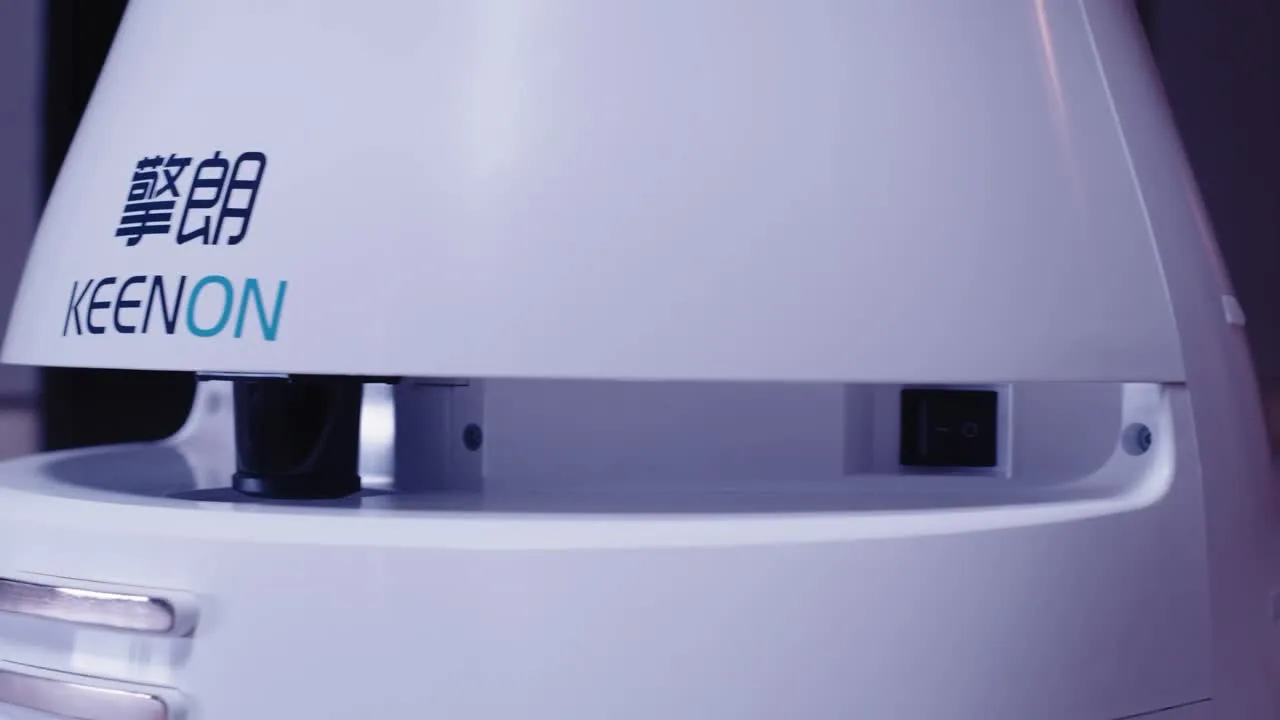
The optimised C30 video is shown first. The MP4 only loads when you open the viewer and choose play.
KLEENBOT C30
An agile format for corridors, common areas, retail, offices and indoor spaces that need constant cleaning without deploying a larger machine.
Web-optimised video: sharper image and loads only when you open the viewer.
KLEENBOT C40
A 4-in-1 robot for small and medium spaces, with data visualisation, advanced sensors and single-pass cleaning.

The optimised C55 video is shown first. The MP4 only loads when you open the viewer and choose play.
KLEENBOT C55
Built for high-volume indoor spaces: shopping centres, hospitals, factories, car parks and surfaces with a heavy cleaning load.
Start with the floor area that needs cleaning each day, the type of dirt and the time available to complete each route. Separate dry vacuuming and maintenance tasks from work that requires an autonomous scrubber for hard floors.
The KLEENBOT C30 combines sweeping, vacuuming and dry mopping. The KLEENBOT C40 adds scrubbing, with a 16 L clean-water tank and an 11 L waste-water tank. The KLEENBOT C55 is an option to assess for higher-volume scrubbing operations. Where carpet is present, check compatibility and specify a dry-cleaning route. Wet scrubbing is reserved for compatible hard floors.
Measure the usable floor area and how often each zone needs cleaning. A lobby that requires several passes creates a different workload from a corridor cleaned once a day. Check narrow passages, turns, slopes, doors and space for the docking station. Published performance in m²/h provides a technical reference; practical performance must be validated at the facility.
Hotels need to coordinate lobbies, corridors and meeting rooms with guest arrivals and departures. Care homes need routes and schedules that fit residents' routines and staff activity. Offices and retail premises must account for opening hours and changes to furniture layouts. The robot becomes part of the facility's cleaning plan, including supervision, consumables checks and incident handling.
Review the C30, C40 and C55 comparison. For costs, see the cleaning robot pricing guide and the fleet and ROI configurator. A free assessment adapts these references to your actual routes and shifts.
FAQ
The C30 suits compact areas, the C40 is usually the most balanced model for ROI, and the C55 is better for large surfaces or intensive use.
Yes. Alpha Robotics can estimate freed-up hours, cost per m², cleaning frequency and payback with an indicative ROI calculator.